Not yet on sale
General booking opens on 10 February 2027
Priority booking dates
Dates
Location
Approximate timings
More information available soon
Expand all dates
Thursday 29 April, 6.45pm
Monday 3 May, 3.00pm
Friday 7 May, 7.00pm
Guidance
More info available soon
Please note that, as this is a new production, age guidance and content warnings may be subject to change.
Language
Sung in Italian with English surtitles, which are displayed on screens above the stage and around the auditorium.
Generous support from
Exceptional philanthropic support from
Royal Ballet and Opera Principal The Julia Rausing Trust
Generous philanthropic support from
Tim and Sarah Bunting, Alan and Caroline Howard, Mercedes T. Bass, The Thompson Family Charitable Trust, the La Gioconda Production Syndicate, The American Friends of Covent Garden, Royal Ballet and Opera Patrons and the Royal Opera House Endowment Fund
The role of Gioconda is generously supported by
Lord and Lady Laidlaw
Co-production with
Salzburg Easter Festival and Greek National Opera
Synopsis
The story of La Gioconda
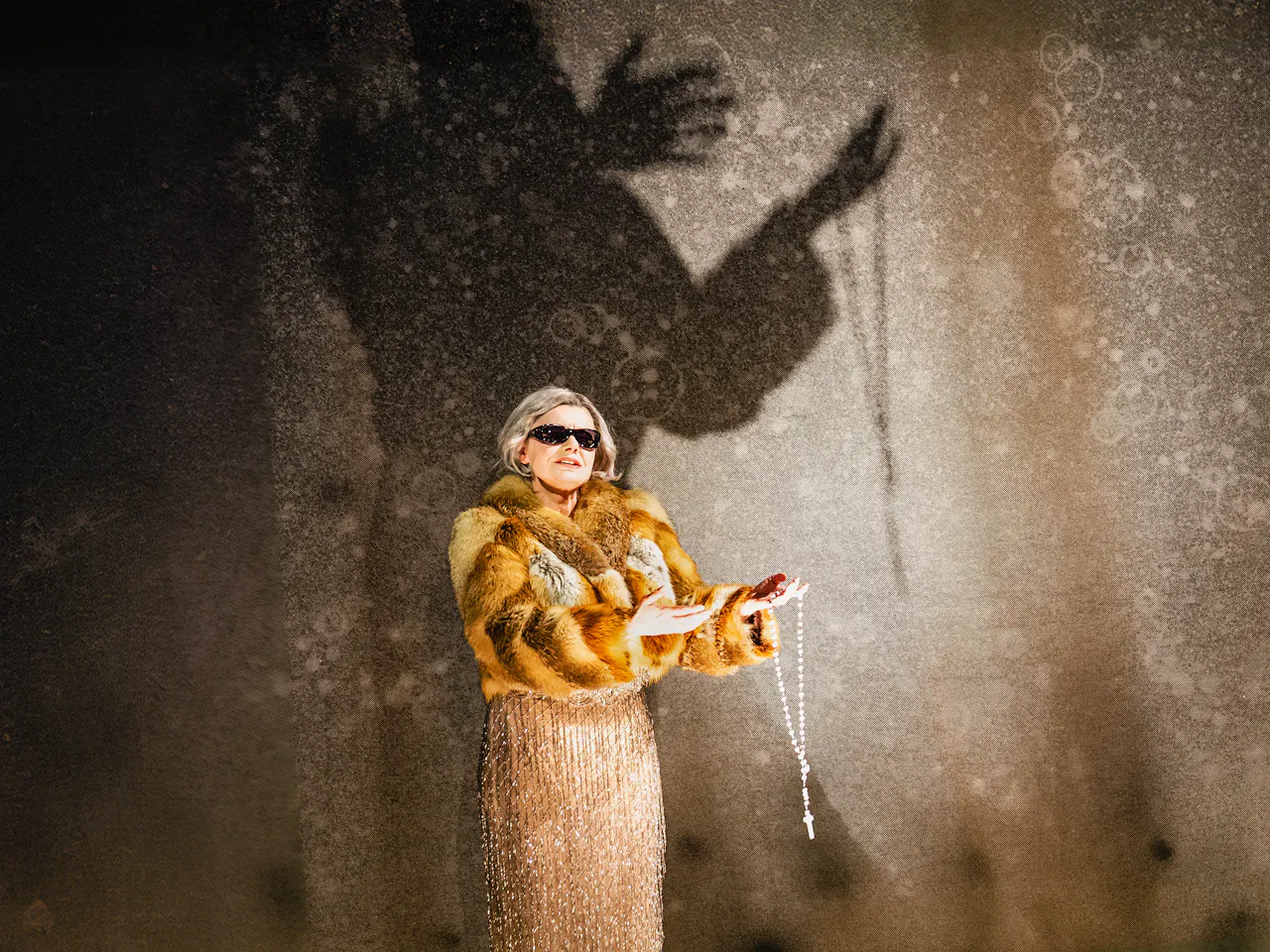
Street singer Gioconda has a secret. She is in love with Enzo, a disguised aristocrat. But Enzo is secretly in love with Laura, married to Alvise, a high-ranking Inquisitor. Meanwhile, the scheming spy, Barnaba, has his sights set on Gioconda. When jealousy strikes, the results are deadly, and tragically for Gioconda, it is her blind mother who pays the ultimate price.
Read the full synopsis
Creatives
The artists and creatives behind the production
Composer
Libretto
Director
Set Designer
Costume Designer
Lighting Designer
Movement Director
Video Effects
Discover
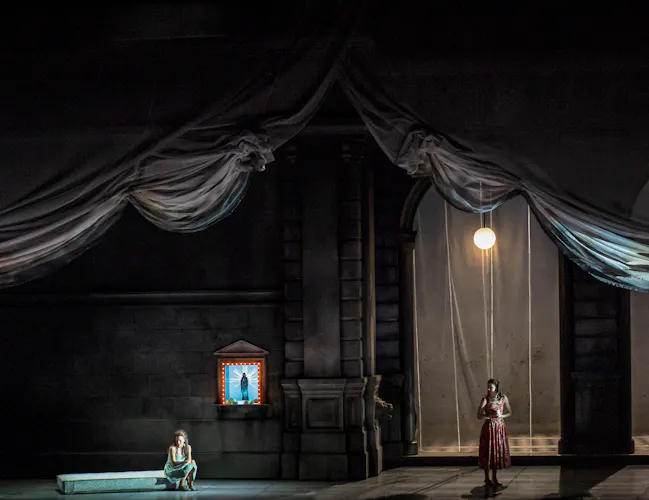
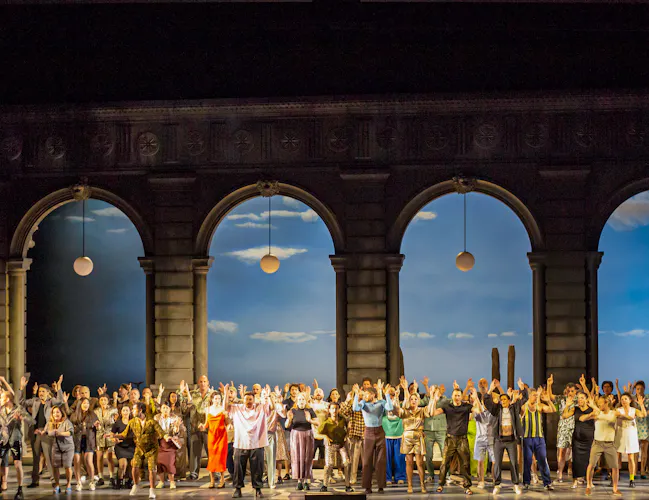
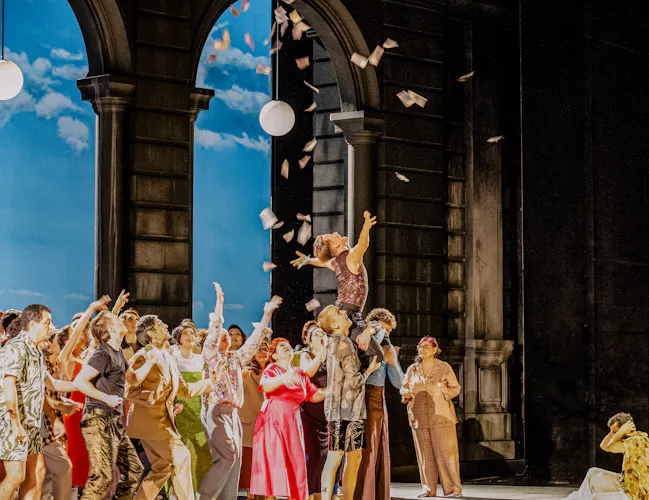
Raised in poverty, street singer Gioconda has always craved security. But now she craves something more: the love of the aristocratic Enzo. Meanwhile, the scheming Barnaba has his sights set on Gioconda. When jealousy strikes, the stage is set for a dramatic confrontation – and for Gioconda, a climactic reckoning with her past. The greatest singers, from Maria Callas to Luciano Pavarotti, have historically flocked to perform Amilcare Ponchielli’s grand opera, with its lush Italianate style often described as the missing link between Verdi and Puccini, and a sweeping score that features the ’Dance of the Hours’. Oliver Mears’ new staging transports the action to modern-day Venice.
‘The Happy One’ – without a name
The characters
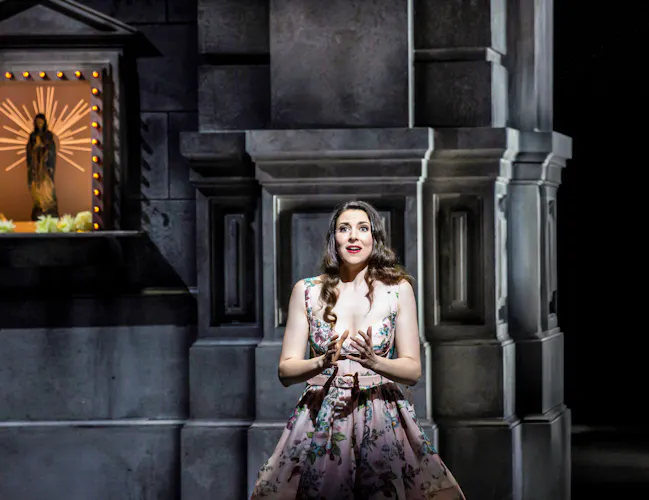
‘La Gioconda’ means ‘the happy one’ – but the name is ironic: Gioconda is far from happy, having grown up in poverty, and experiences many sorrows as the opera progresses. We never find out her name – she is only ever referred to as ’La Gioconda’.
A Venetian setting – with French origins
The history
Based on Victor Hugo’s play, Angélo, tyran de Padoue, La Gioconda premiered in 1876 and was a huge success. The opera was commissioned by the Teatro alla Scala in 1874, and Puccini’s music publisher, Giulio Ricordi suggested Verdi’s collaborator, Arrigo Boito as librettist. Boito wrote the text under the ananym of ‘Tobia Gorrio’. His drafts for the character of Alvise included material that would later resurface in Verdi’s opera, Otello, in Iago’s aria, ‘Credo’. In other ways, the villainous Barnaba foreshadows Scarpia, the villain of Puccini’s opera, Tosca.
A musical treasure trove
The music
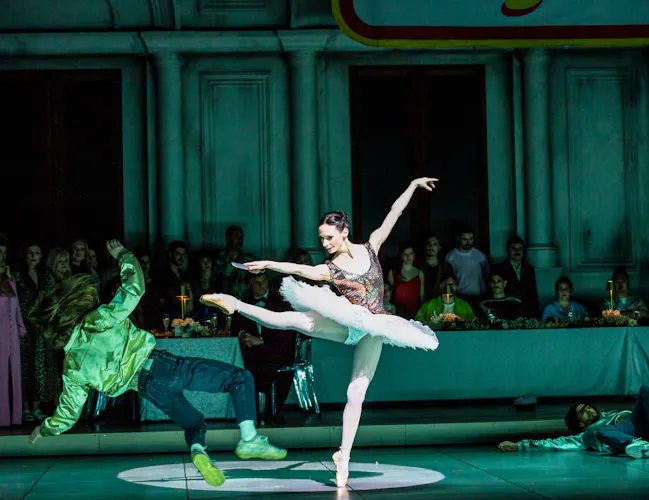
La Gioconda is a musical treasure trove, with its soaring melodies, dramatic confrontations, heart-rending arias, lush Italian orchestration, rousing choruses and high-drama duets. Yet despite this, the most famous music from La Gioconda is an instrumental passage: the cheeky, twinkling ballet, ‘The Dance of the Hours’, made famous by a troupe of ballet-dancing hippos in Disney’s Fantasia. Other vocal highlights include the tenor aria, ‘Cielo e mar’ and the soprano’s aria, ‘Suicidio’.
Gallery
Accessibility and resources
There is lift access and there are step-free routes to over 100 seats in the Stalls Circle, Balcony and Amphitheatre. Some seats in the Stalls Circle, Balcony, Amphitheatre and the Donald Gordon Grand Tier are accessed by 9 steps or fewer. There are 10 steps or more to access seats in the Orchestra Stalls.
You can use the assistive listening systems in our auditoriums. Surtitles, captions and translations in English are displayed on screens above the stage and around the auditorium.
Join our Access Scheme for priority access to tickets and to inform us of your access requirements.
See our Accessibility page for more information or view a visitors guide (PDF, 12.0 MB).
Be the first to know
Sign up to hear the latest Royal Ballet and Opera news, receive ticket alerts, and discover how to support us.