Not yet on sale
General booking opens on 10 February 2027
Priority booking dates
Dates
Location
Approximate timings
This production lasts approximately 3 hours and 30 minutes, including one interval.
Expand all dates
Friday 18 June, 6.30pm
Monday 21 June, 6.45pm
Friday 25 June, 6.45pm
Guidance
More information available soon
Please note that, as this is a new production, age guidance and content warnings may be subject to change.
Language
Sung in English with English surtitles, which are displayed on screens above the stage and around the auditorium.
Generous support from
Exceptional philanthropic support from
Royal Ballet and Opera Principal The Julia Rausing Trust
Generous philanthropic support from
Philipp Freise, Charles Holloway OBE, Crevan O'Grady and Jane McClenahan and Dame Tina Taylor DBE
Production by
Oper Frankfurt and Komische Oper Berlin
Synopsis
The story of Hercules
Hercules’ wife, Dejanira, has long awaited his return from battle. So when he arrives home in triumph, despite an ominous prophesy, all should be well. But life is rarely that simple. Consumed by sudden and terrible jealousy, Dejanira becomes convinced that Hercules has betrayed her with Iole, a prisoner of war, and embarks on a quest to win back her husband’s affections – with devastating consequences for all.
Read the full synopsis
Creatives
The artists and creatives behind the production
Composer
Libretto
Director
Set and Costume Designer
Lighting Designer
Discover
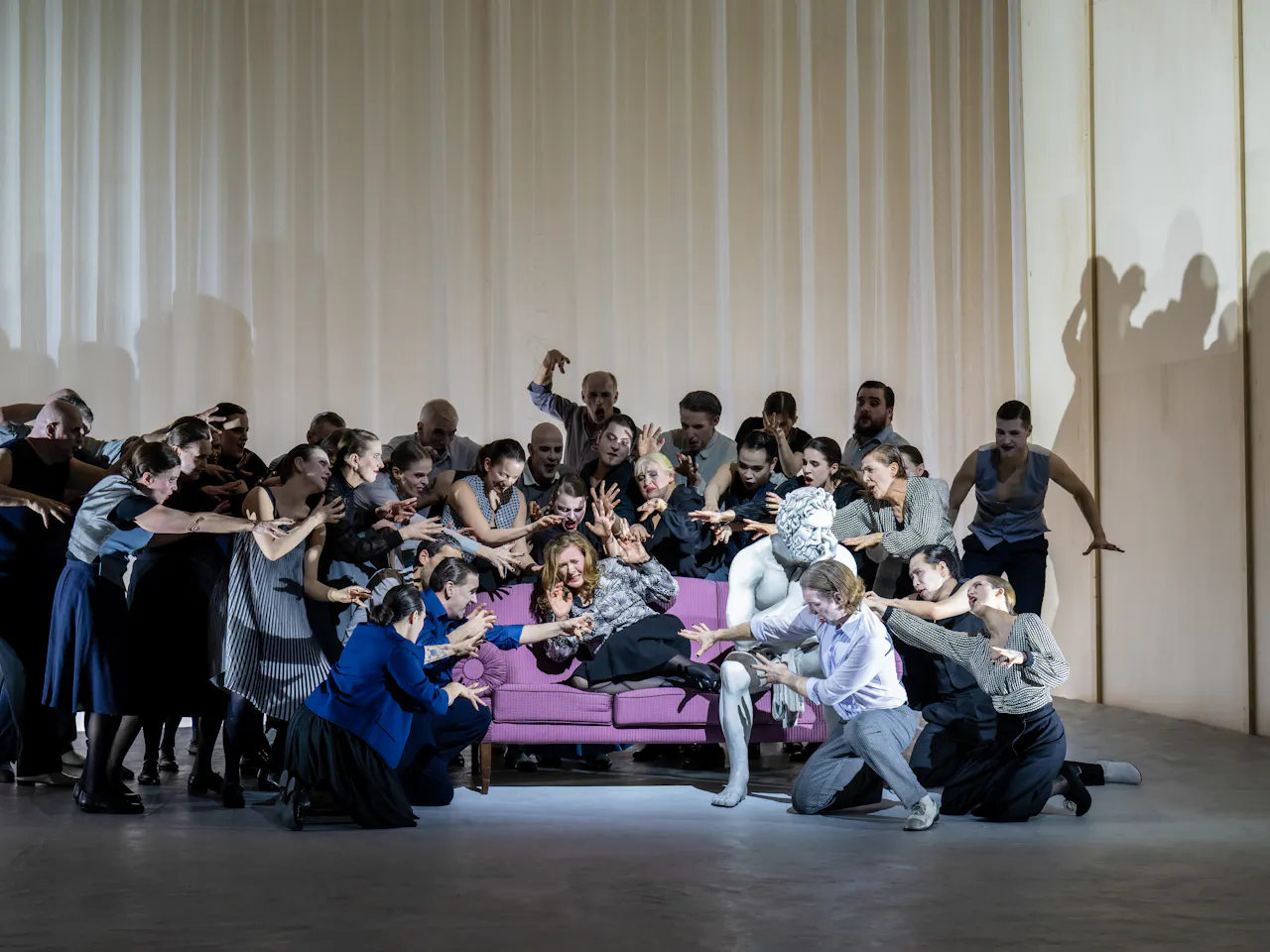
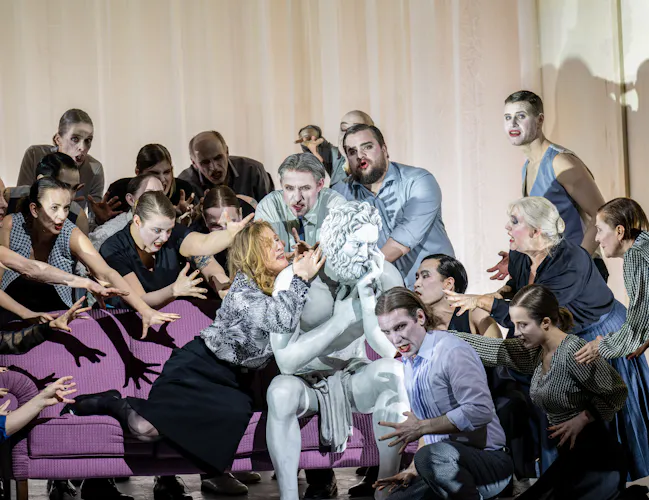
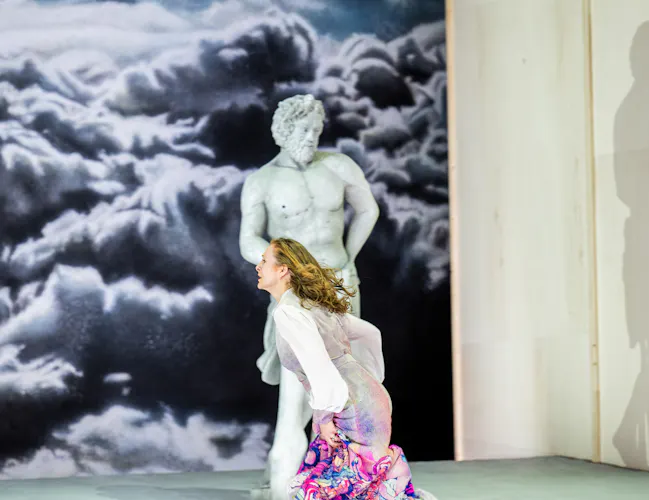
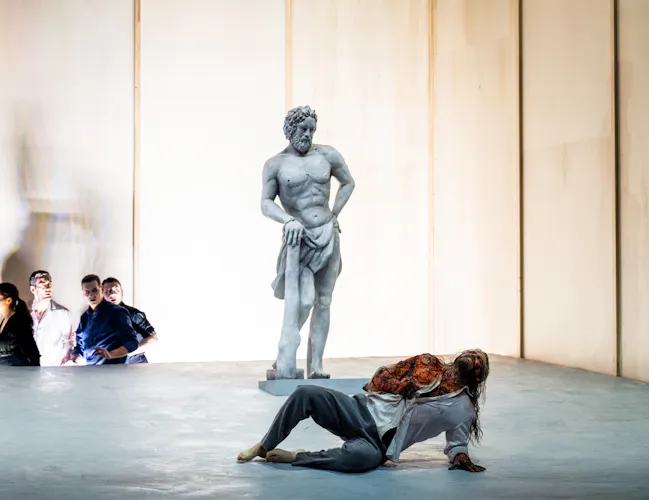
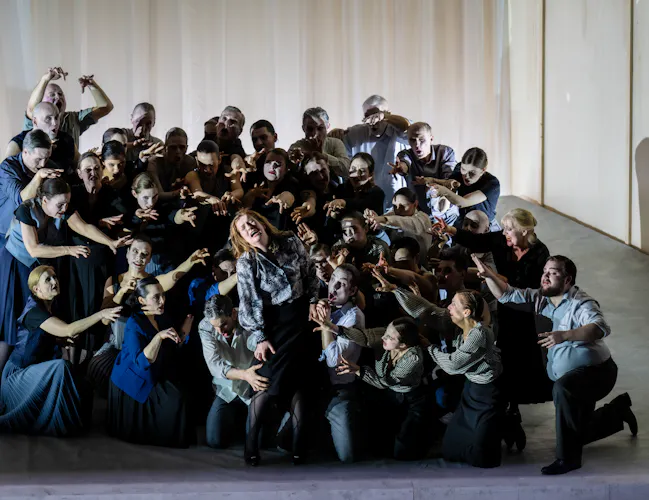
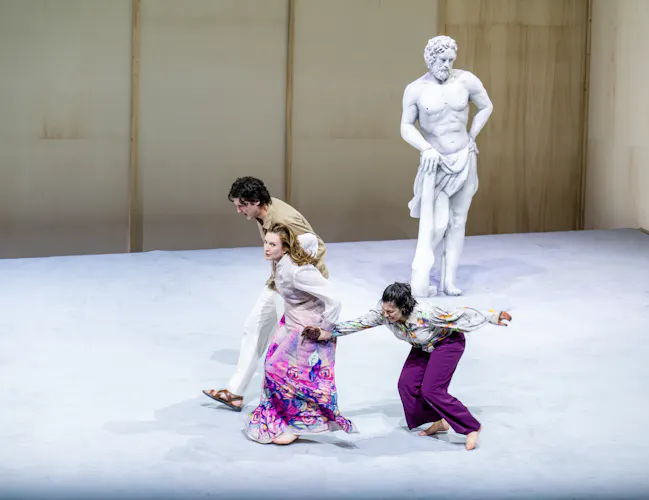
A wife’s longing for her husband turns into devasting jealousy in Handel’s Hercules. Originally staged at the Komische Opera Berlin, Barrie Kosky’s new production bridges the ancient and the modern, combining the director’s signature dramatic intensity with a bold, contemporary aesthetic.
A London premiere – full of musical highlights
The history
First performed at the King’s Theatre, Haymarket, London, on 5 January 1745, Hercules is an oratorio – a large-scale musical work originally written for concert performance. The oratorio was usually a form reserved for biblical stories, but, as with Semele, another mythical music drama by Handel (also recently staged at the Royal Opera House), the chorus and orchestra are deployed to great effect, and the story is ripe for drama. Dejanira’s aria, ‘Where shall I fly?’, sung when she is in the grip of her jealousy, is a particular highlight.
Sung in English – with classical roots
The music
The libretto was written by the Reverend Thomas Broughton, who based his English-language text on two texts from Classical antiquity: the ninth book of Ovid’s Metamorphoses and Sophocles’s Women of Trachis. To find out more about Handel’s life and works, read our Creative Spotlight: Handel.
Gallery
Accessibility and resources
There is lift access and there are step-free routes to over 100 seats in the Stalls Circle, Balcony and Amphitheatre. Some seats in the Stalls Circle, Balcony, Amphitheatre and the Donald Gordon Grand Tier are accessed by 9 steps or fewer. There are 10 steps or more to access seats in the Orchestra Stalls.
You can use the assistive listening systems in our auditoriums. Surtitles, captions and translations in English are displayed on screens above the stage and around the auditorium.
Join our Access Scheme for priority access to tickets and to inform us of your access requirements.
See our Accessibility page for more information or view a visitors guide (PDF, 12.0 MB).
Be the first to know
Sign up to hear the latest Royal Ballet and Opera news, receive ticket alerts, and discover how to support us.