Carmen
Opera and music
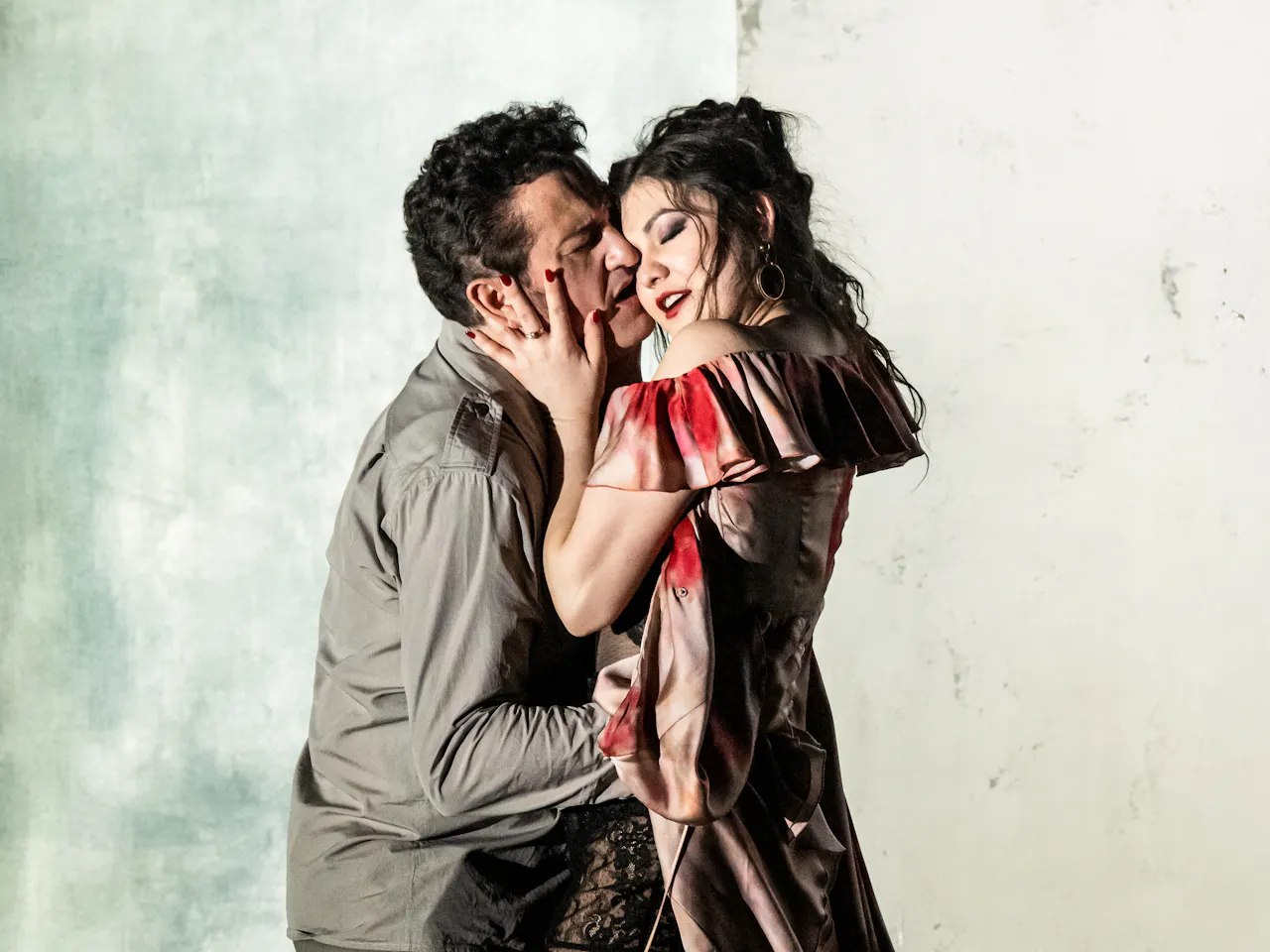
An all-star cast brings Damiano Michieletto’s white-hot production to life, with Ginger Costa-Jackson and Ramona Zaharia in the fiery title role, alongside Russell Thomas and Valentyn Dytiuk as the jealous and despairing Don José. Sesto Quatrini conducts Bizet’s electrifying and sensual score.
Ticket price
*Young RBO ticket prices for selected performances
Dates
Location
Approximate timings
The performance lasts approximately 3 hours and 5 minutes, including one interval.
Act I and II:
1 hour 35 minutes
Interval:
25 minutes
Act III and IV:
1 hour 5 minutes
Accessibility
- Relaxed Performance
- Audio Described
- Captioned
- BSL Interpreted
- Touch Tour
Expand all dates
Thursday 29 October, 7.00pm
Saturday 31 October, 12.00pm
Monday 2 November, 7.15pm
Guidance
Suitable for ages 8+
This production contains a depiction of murder and themes of a sexual nature and violence. There are gunshots in Act I with blank shots fired. These can be loud.
Language
Sung in French with English surtitles, which are displayed on screens above the stage and around the auditorium.
Generous support from
Exceptional philanthropic support from
Royal Ballet and Opera Principal The Julia Rausing Trust
The Youth Opera Company is generously supported by
Yvonne and Bjarne Rieber
Schools' Matinees are generously supported by
The Taylor Family Foundation, The Gerald and Gail Ronson Family Foundation and David and Molly Lowell Borthwick
Co-production with
Teatro Real, Madrid and La Scala, Milan
Synopsis
The story of Carmen
In a remote Spanish town, the free-spirited Carmen declares that any man she loves should beware. But even she is unprepared for what happens when she decides to seduce police officer Don José. Though initially uninterested in Carmen’s charms, Don José – against the wishes of his mother and of Micaëla, the woman who loves him – soon abandons his respectable career for a life of danger with Carmen. But she soon grows weary of Don José’s possessiveness, longing to return to a life of independence. When Carmen turns her attention to the celebrated toreador Escamillo, Don José’s jealousy and despair threaten to violently erupt.
Read the full synopsis
Creatives
The artists and creatives behind the production
Composer
Libretto
Director
Set Designer
Costume Designer
Lighting Designer
Dramaturg
Discover
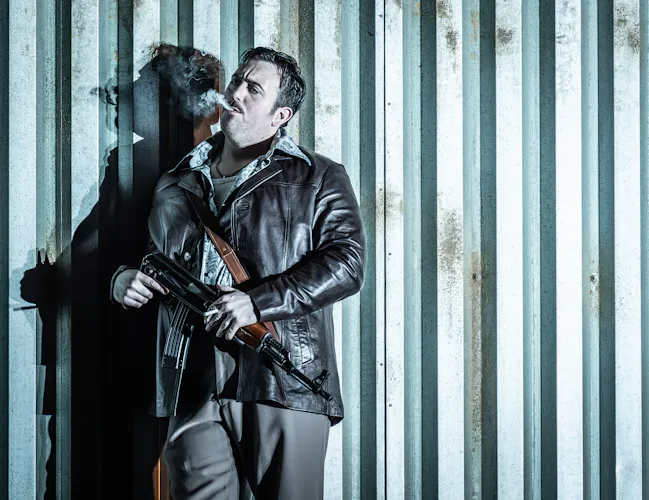
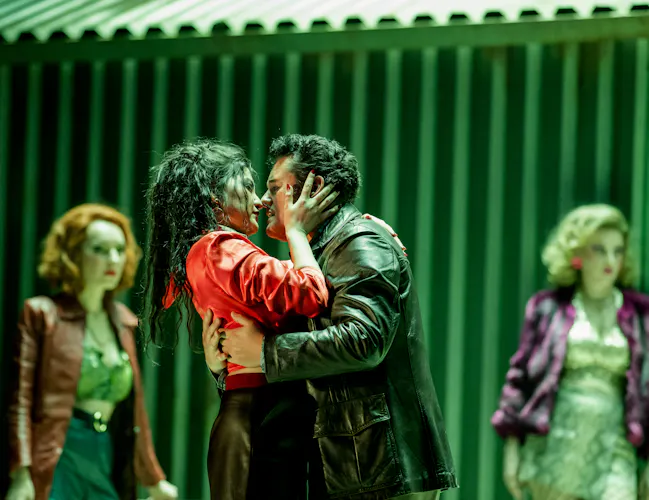
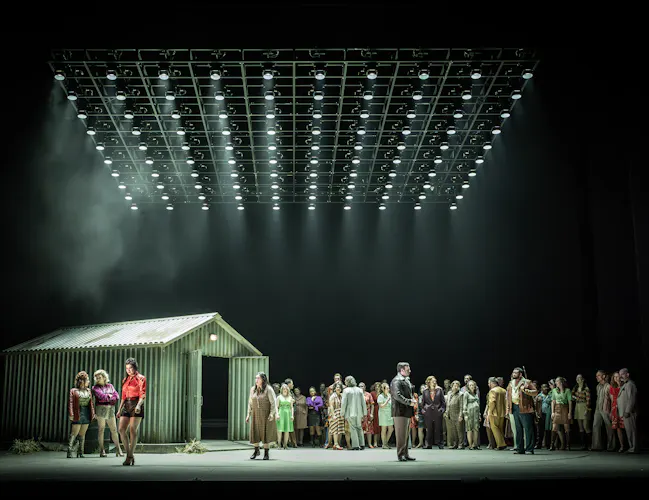
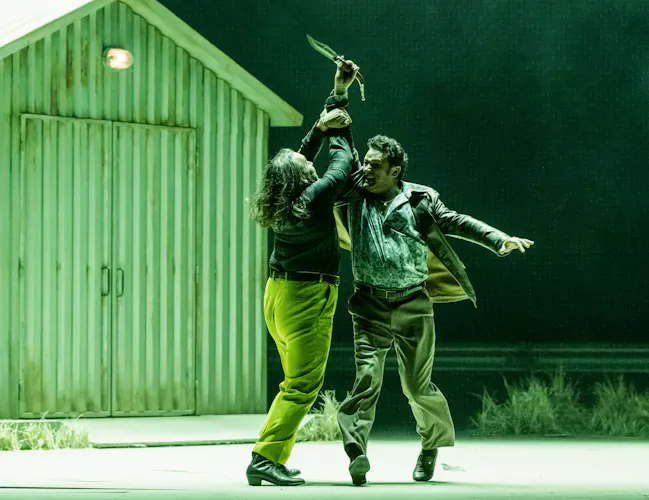
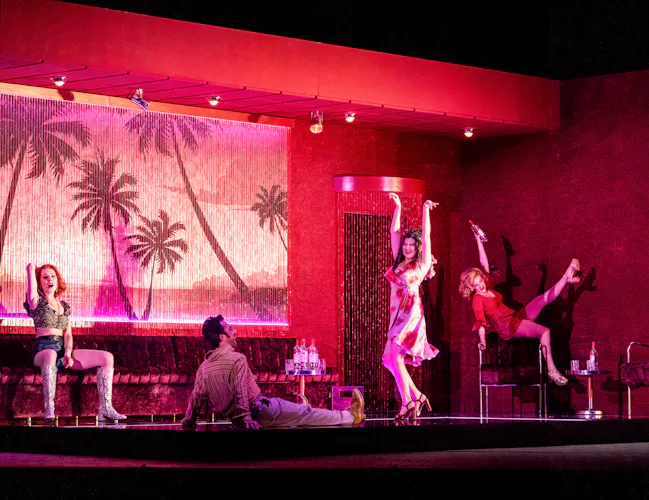
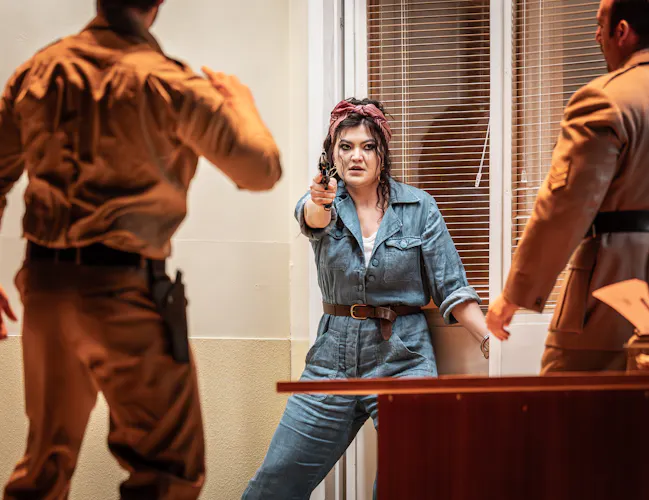
Set under the oppressive heat of the Spanish sun, Olivier Award-winning director Damiano Michieletto’s ‘simmering, naturalistic’ (Guardian) staging casts scorching light on the lust, violence and destructive desire of Bizet’s ever-popular opera.
Classic work, contemporary production
The history
Bizet and his librettists Henri Meilhac and Ludovic Halévy took the plot of Carmen from the popular novella of the same name by French writer Prosper Mérimée, who claimed to be inspired by a true story. Though it earned a lukewarm response from the press and public at its premiere – in part due to its heady combination of passion, sensuality and violence – the opera soon became immensely popular and remains an enduring favourite today. In fact, Carmen is the second most performed opera in The Royal Opera’s repertory, having been performed over 600 times.
Catchy melodies
The music
Drawing from the opera’s setting of Seville, Bizet’s unforgettable score boasts a host of Spanish-inspired melodies, including Carmen’s sensual ‘Habanera’ and ‘Seguidilla’ arias, and Don José’s tender ‘Flower Song’, ‘La fleur que tu m’avais jetée’ (The flower that you threw to me). The composer’s gift for writing memorable melodies reaches its peak in the flamboyance and masculinity of Escamillo’s ‘Toreador Song’, one of the most instantly recognisable arias in all classical music.
To find out more about Carmen, including key plot points and background information: read our Opera Essentials: Carmen
Aria highlight: Carmen's 'Près des remparts de Séville' (Near the ramparts of Seville)
Gallery

Accessibility and resources
Watch a BSL interpreted synopsis of Carmen on YouTube.
There is lift access and there are step-free routes to over 100 seats in the Stalls Circle, Balcony and Amphitheatre. Some seats in the Stalls Circle, Balcony, Amphitheatre and the Donald Gordon Grand Tier are accessed by 9 steps or fewer. There are 10 steps or more to access seats in the Orchestra Stalls.
You can use the assistive listening systems in our auditoriums. Surtitles, captions and translations in English are displayed on screens above the stage and around the auditorium.
Join our Access Scheme for priority access to tickets and to inform us of your access requirements.
See our Accessibility page for more information or view a visitors guide (PDF, 12.0 MB).
Be the first to know
Sign up to hear the latest Royal Ballet and Opera news, receive ticket alerts, and discover how to support us.